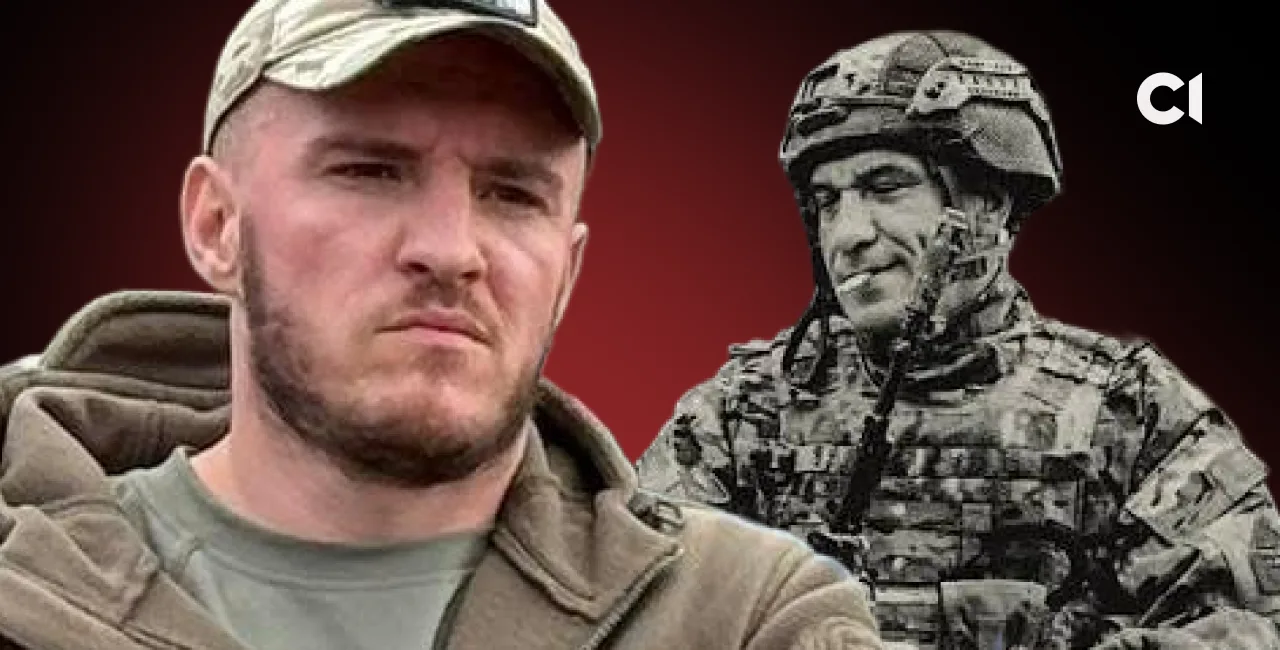
Taganrog, 2022. Ukrainian prisoners of war are being held in the cells of a pre-trial detention centre in the very heart of the city. After the initial “reception,” some of them can barely walk; during interrogations, they are beaten into confessing to crimes they did not commit; and for lunch, they are served fish crawling with worms and soggy bread.
But in one of the cells, there is a feast. The Russians have brought in shawarma. Yet only one person is allowed to eat it.
Trial
March 2025. Petro Shuflin, an Azov fighter from the Lviv region with the call sign “Dovbush,” gives an interview about his release from Russian captivity six months earlier. He appears on camera wearing a vyshyvanka, a traditional Ukrainian embroidered shirt. He recalls:
“We stopped by the ‘Kyiv’ sign. We all got off the bus. And every man there shed a quiet tear. You stand there, looking at that sign, and you get goosebumps.”
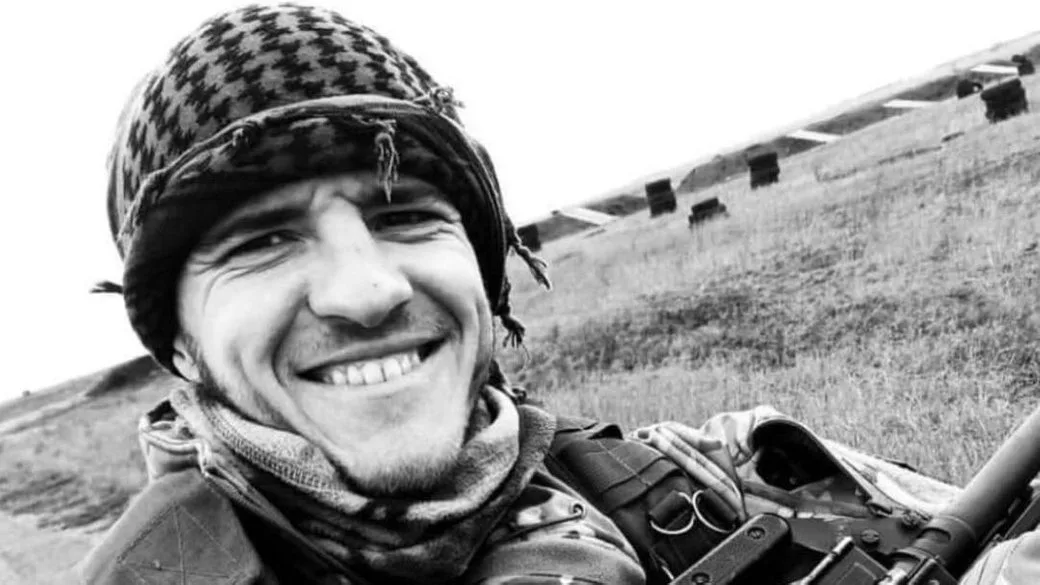
A year later, he is once again in front of a camera, once again telling his story. Only this time, he is speaking from a pre-trial detention centre, and his audience is a courtroom. Petro Shuflin is now the defendant.
Investigators allege that while in captivity, he collaborated with the Russians. In particular, they believe he contributed to the death of fellow Azov serviceman and combat medic Oleksandr Krokhmaliuk, call sign “Krokha.”
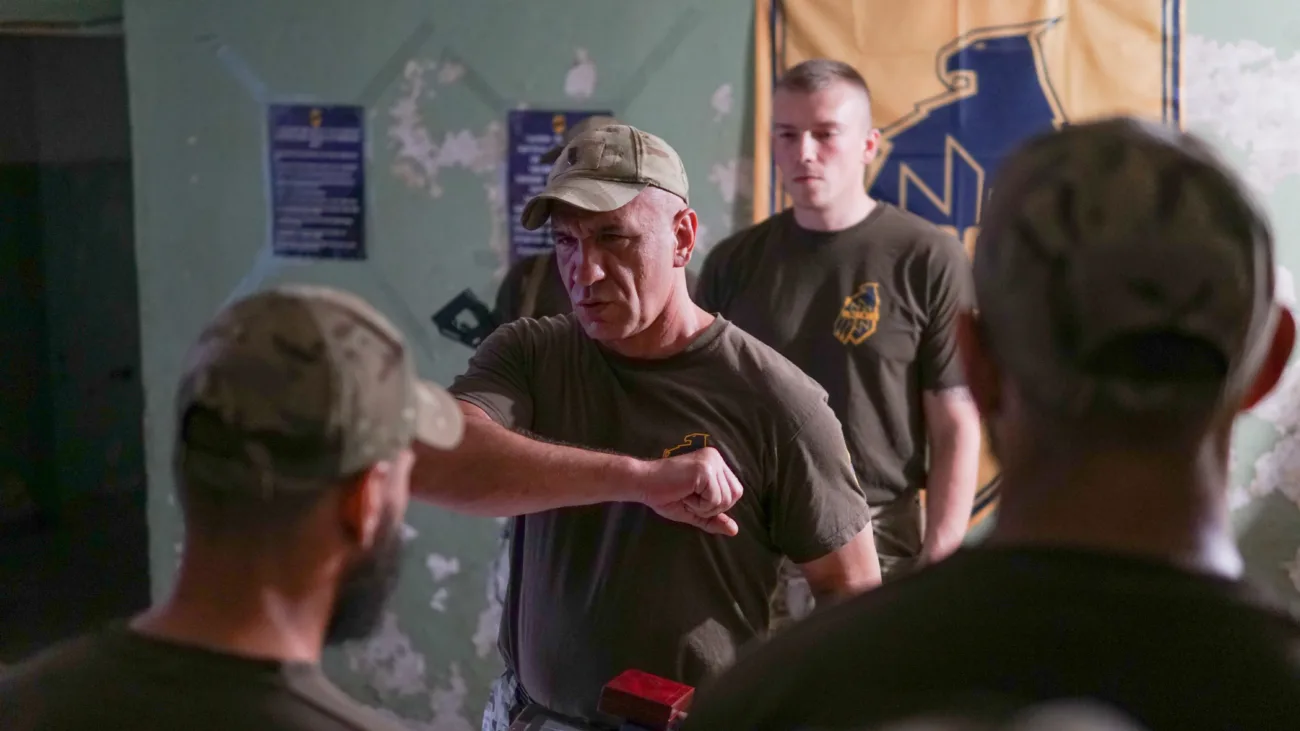
In the courtroom of the Shevchenkivskyi District Court of Dnipro, only Judge Larysa Tatarchuk, her court clerk, and the Slidstvo.Info film crew are physically present. The prosecutor, defence lawyer, defendant, and victim have joined the hearing by video link.
This is a preliminary hearing in Shuflin’s case. He has been charged under three articles of the Criminal Code: attempted collaboration, complicity in torture, and acts intended to harm other prisoners of war. At this hearing, the prosecutor is asking the court to extend Shuflin’s pre-trial detention for another 60 days.
Shuflin is wearing a white T-shirt, with large tattoos covering both arms. He appears to be reading mostly from a prepared statement, as his eyes repeatedly drop toward the text. He asks the court not to return him to custody, but instead to allow him to be placed under house arrest or set bail.
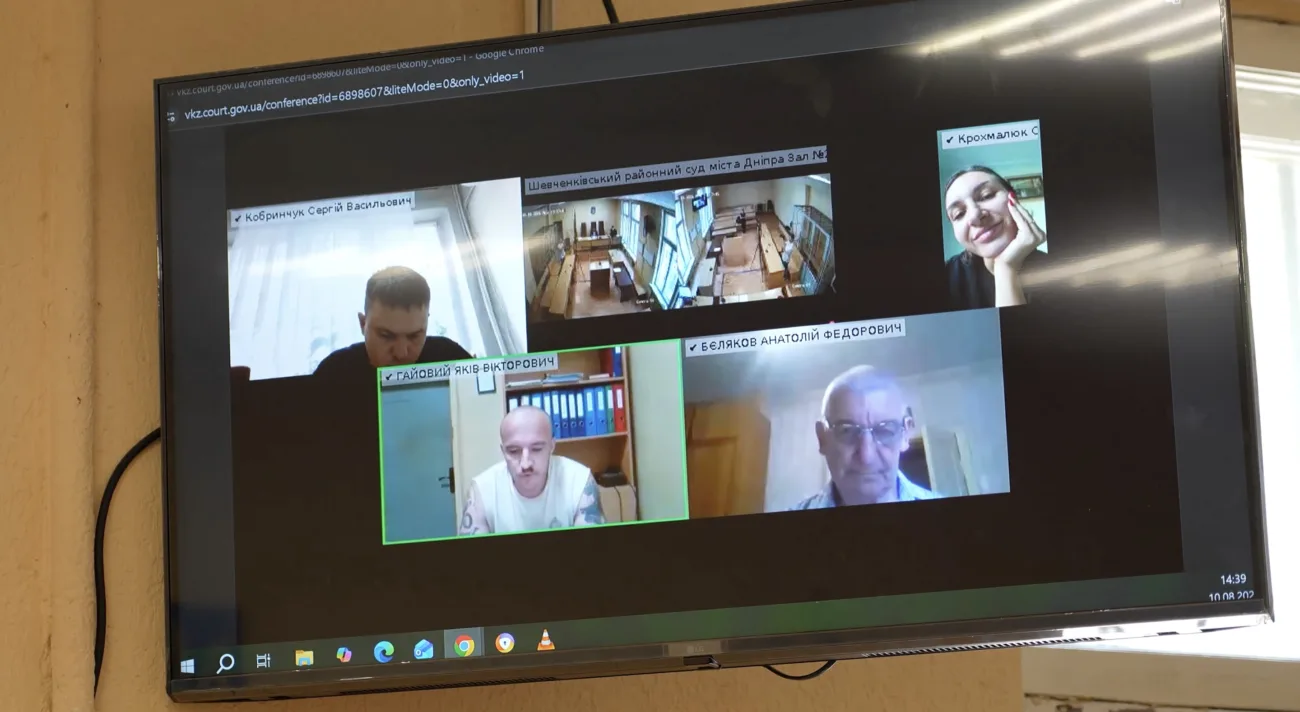
The victim in the case is Sofiia Krokhmaliuk, daughter of Oleksandr Krokhmaliuk, the chief medical officer of the Azov Regiment. The prosecution believes he died in Russian captivity as a result of false testimony given by Shuflin.
At the hearing, Sofiia sees Shuflin for the first time, via video link. She regrets that she cannot look him in the eye. And she smiles when Petro denies having collaborated with the Russians while in captivity.
“If I had actually committed any of the crimes I’m accused of, I would have been in a country with no extradition by now,” he tells the judge. She looks at Shuflin over the top of her glasses and takes notes.
Shuflin speaks confidently and occasionally raises his voice. When the prosecutor says that he collaborated with the “enemy side,” the defendant interrupts him: “I object!” — prompting a warning from the judge.
Petro Shuflin stresses that in Russia he was sentenced to life imprisonment for allegedly shooting civilians in Mariupol. But now, if found guilty, he could face 15 years in a Ukrainian prison.
“Arbiter of Fates”
“The man sold out his fellow soldiers for shawarma and pizza,” says an Azov serviceman with the call sign “Skrypach” (“Violinist”), referring to Shuflin. The two defended Mariupol together, were taken prisoner, were later sent to different penal colonies, and eventually returned to Ukraine in the same prisoner exchange. They met again at a rehabilitation centre in Novi Sanzhary, in Ukraine’s Poltava region. Skrypach had not expected to see Petro back in Ukraine. The first thing he told him was: “You’re screwed.”
According to Skrypach, Shuflin fled the rehabilitation centre. Yet just a few months later, he was giving interviews about his experience in captivity.
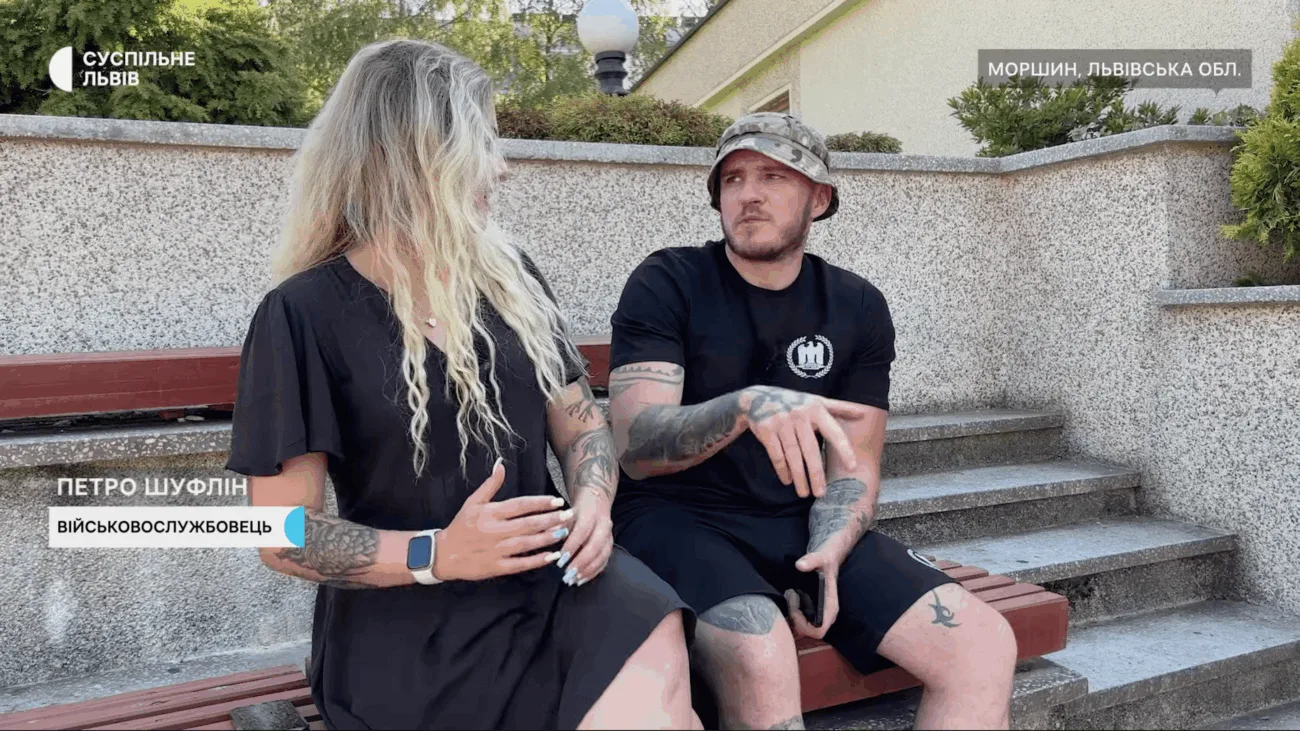
Skrypach is not the only former prisoner to give this account of Shuflin’s conduct in captivity. Other released POWs who agreed to speak for this investigation react similarly when they hear the name “Shuflin”: they are pleased that the case is being investigated and hope that justice will be served.
An Azov serviceman named Andrii (name changed at his request — ed.) says he met Petro Shuflin at the Olenivka prison colony. The men were taken there after surrendering into captivity from the Azovstal steelworks. In Olenivka, Andrii and Petro were housed in the same barracks.
On the night of 29 July 2022, an explosion ripped through “Barrack 200” at Olenivka. At least 53 Ukrainian prisoners of war were killed. According to Andrii, that day Shuflin behaved like an “arbiter of fates”:
“He would get really upset when he heard that one of the guys had survived ‘Barrack 200.’ Shuflin sat in the kitchen telling everyone who should have survived and who shouldn’t have. Who deserved to die and who didn’t.”
His fellow soldiers would respond: “Shut your mouth, Dovbush.”
In September, the prisoners were transferred from Olenivka to Pre-Trial Detention Centre No. 2 in Taganrog. Food was scarce and often spoiled, medical care was nonexistent, and torture was a daily occurrence.
It was at this detention centre, former POWs say, that they first noticed signs that Petro Shuflin intended to cooperate with the Russians: he began asking to be taken for questioning by an investigator. Andrii recalls:
“They take him out and ask, ‘What did you want to talk about?’ And then Petia comes out with this line — I think we all nearly fainted when we heard it. He says, ‘Sir, I’d like to tell you who was shooting civilians in Mariupol, and a lot more besides.’”
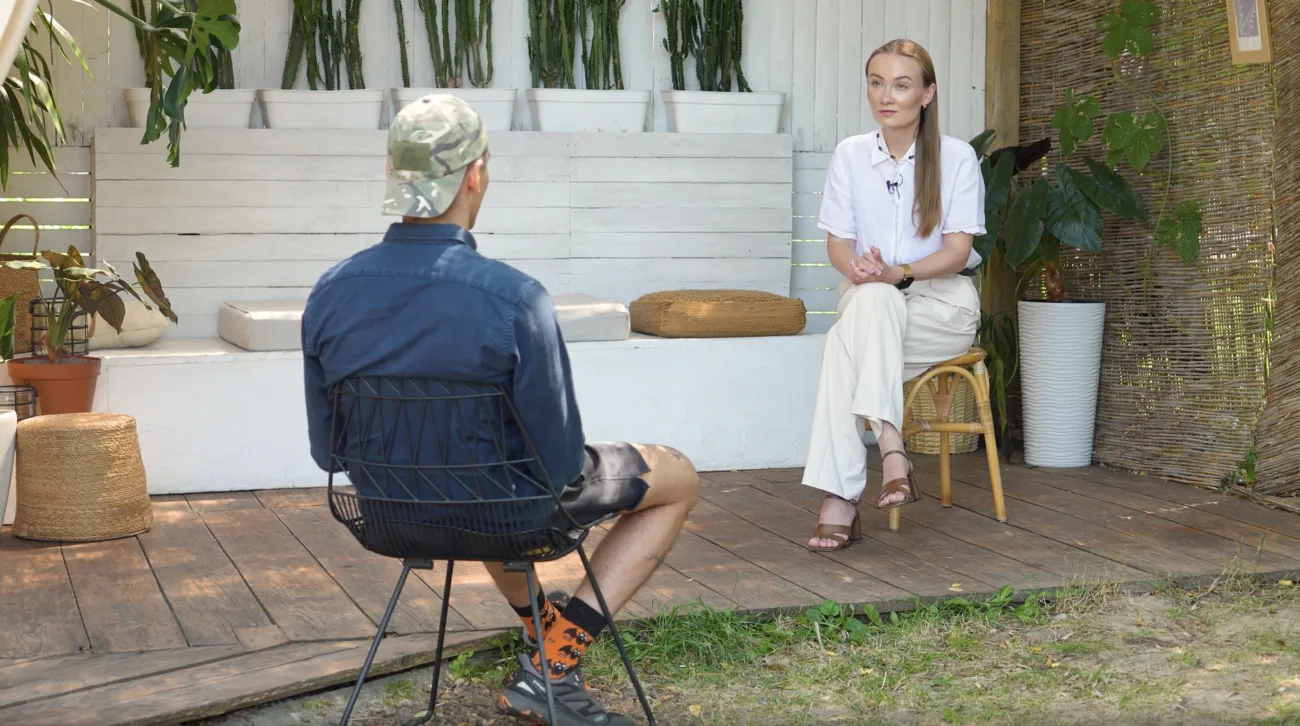
According to the servicemen, Shuflin’s visits to the investigator meant two things. First, Shuflin would return to the cell with food that only he was allowed to eat. Second, some of the prisoners would then be subjected to particularly brutal beatings.
“He started signing every piece of paper they put in front of him in exchange for food,” Skrypach claims. He is referring to criminal cases that the Russians fabricated against Ukrainian prisoners of war, shifting responsibility onto them for civiliandeaths in Mariupol.
One such case was brought against Skrypach himself: he was accused of the attempted murder of civilians. A Russian court found that Skrypach had allegedly fired a grenade launcher at an apartment where a civilian family was present. The Azov serviceman was sentenced to 26 years in a maximum-security penal colony. Petro Shuflin was a witness in the case.
“Krokha’s feet barely touched the ground”
Not all the accusations, however, concerned crimes against Mariupol civilians. The Russians accused Oleksandr Krokhmaliuk, the head of Azov’s medical service, call sign “Krokha,” of abusing prisoners of war. Among other things, they alleged that in the bunkers beneath Azovstal, he had cut off the genitals of Russian POWs.
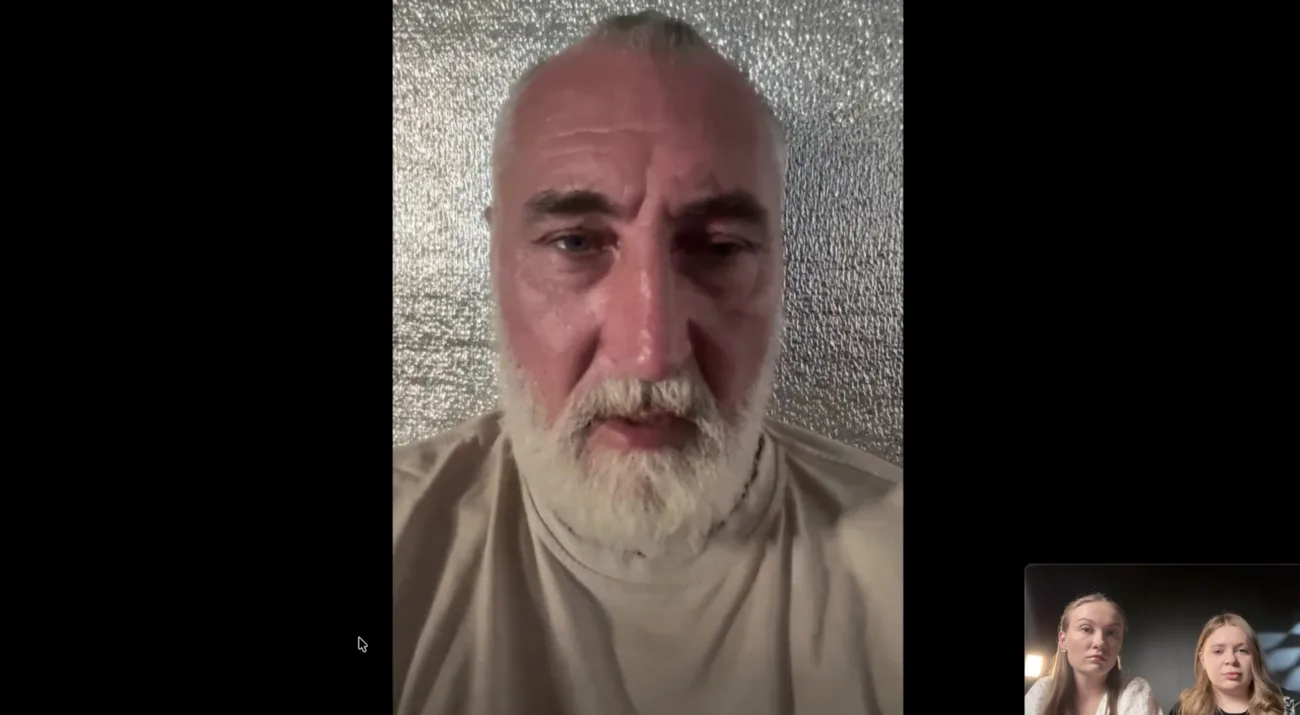
Andrii, who was later released from captivity, recalls: “They paid particular attention to our comrade Krokha. His feet barely touched the ground. They were constantly beating him, beating him to a pulp. They called Krokha a ‘ball-cutter.’”
Skrypach also heard Oleksandr Krokhmaliuk being beaten. He believes it was Petro Shuflin who gave the Russians false testimony alleging that Krokhmaliuk had mutilated prisoners’ genitals.
“I heard that when they were beating Krokha or forcing him to do physical exercises, they would openly tell him, ‘You don’t have to hide anything — Shuflin told us everything about you.’ And that all came from Shuflin having signed a statement to that effect,” Skrypach recalls.
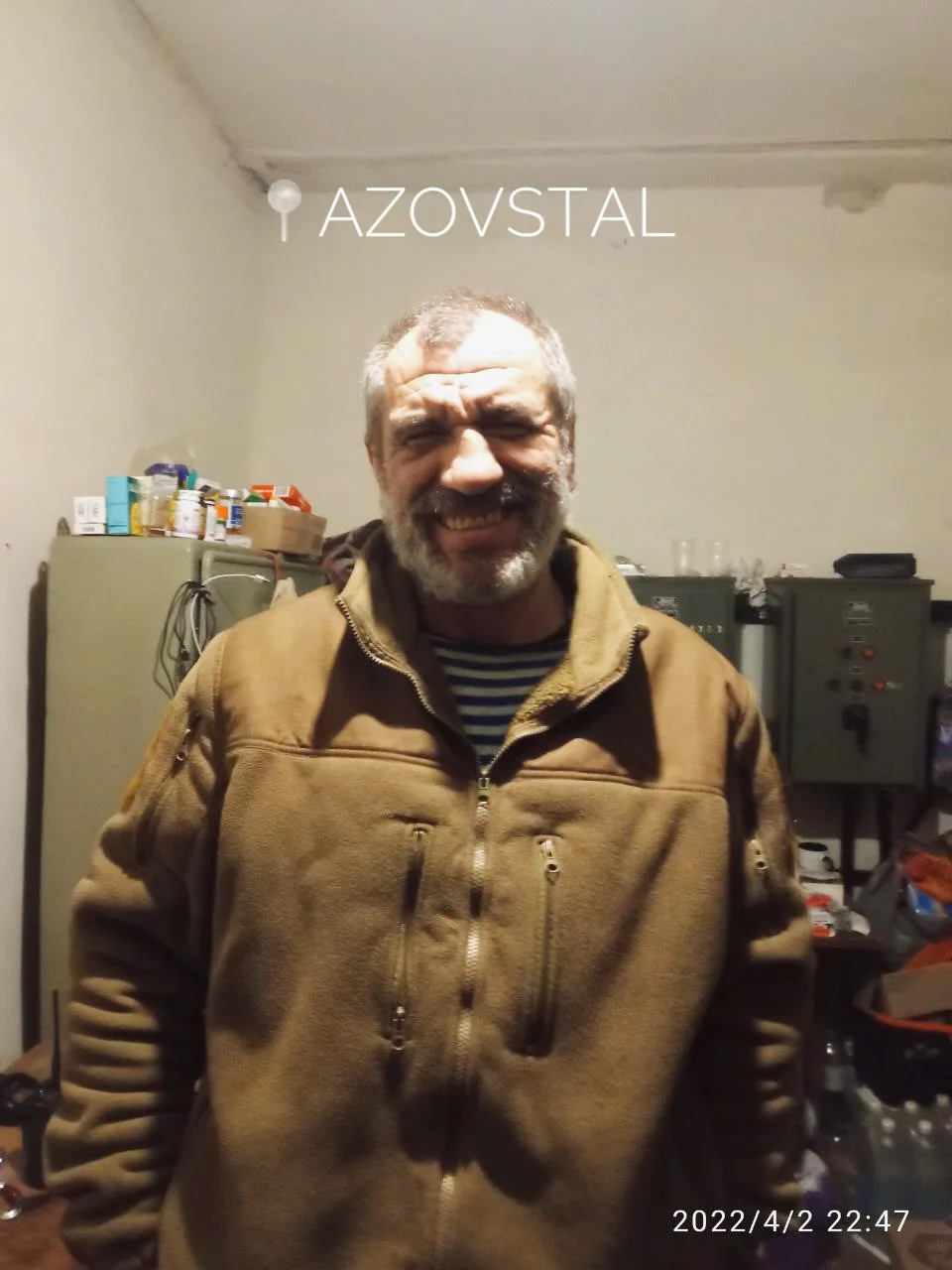
In reality, at Azovstal, Oleksandr Krokhmaliuk was involved in evacuating the severely wounded by helicopter and organised the work of the “Zaliziaka” stabilisation point. He had joined Azov back in 2016.
“Unfortunately, I never had a conversation with him where I asked, ‘Dad, why did you join Azov?’” says his daughter Sofiia. “Maybe because, in my mind, it simply made sense. My dad was always a very strong, empathetic person with a deep sense of justice. He was always encouraging others and loved being the one who kept everyone’s spirits up.”
Krokhmaliuk became head of the unit’s medical service in 2019. He was still serving in that role when Russia launched its full-scale invasion.
In Taganrog, Oleksandr’s health deteriorated sharply as a result of systematic beatings. His legs became so swollen that they would not fit even into prison boots several sizes too large.
He also began experiencing heart problems. POWs at the detention centre said that Krokha may have suffered a minor stroke, or possibly a full stroke. A serviceman with the call sign “Zhan” said that a doctor was called to see Krokhmaliuk on several occasions. He was bedridden and was given medication.
Krokhmaliuk did not survive the torture and died in captivity. In September 2025, a body identified with the name “Krokhmaliuk” was returned to Ukraine as part of a repatriation. The date and place of Oleksandr’s death remain unknown.
Sofiia learned of her father’s death on 14 May 2026. She received a call from an unknown number. During the four years her father had been in captivity, calls like these had always filled her with anxiety. But this time, an investigator from Lviv told Sofiia that she had news to give her.
“And somehow, you know, I had no doubts. I just asked her, ‘Is it the body?’ She said, ‘Yes,’” Sofiia recalls.
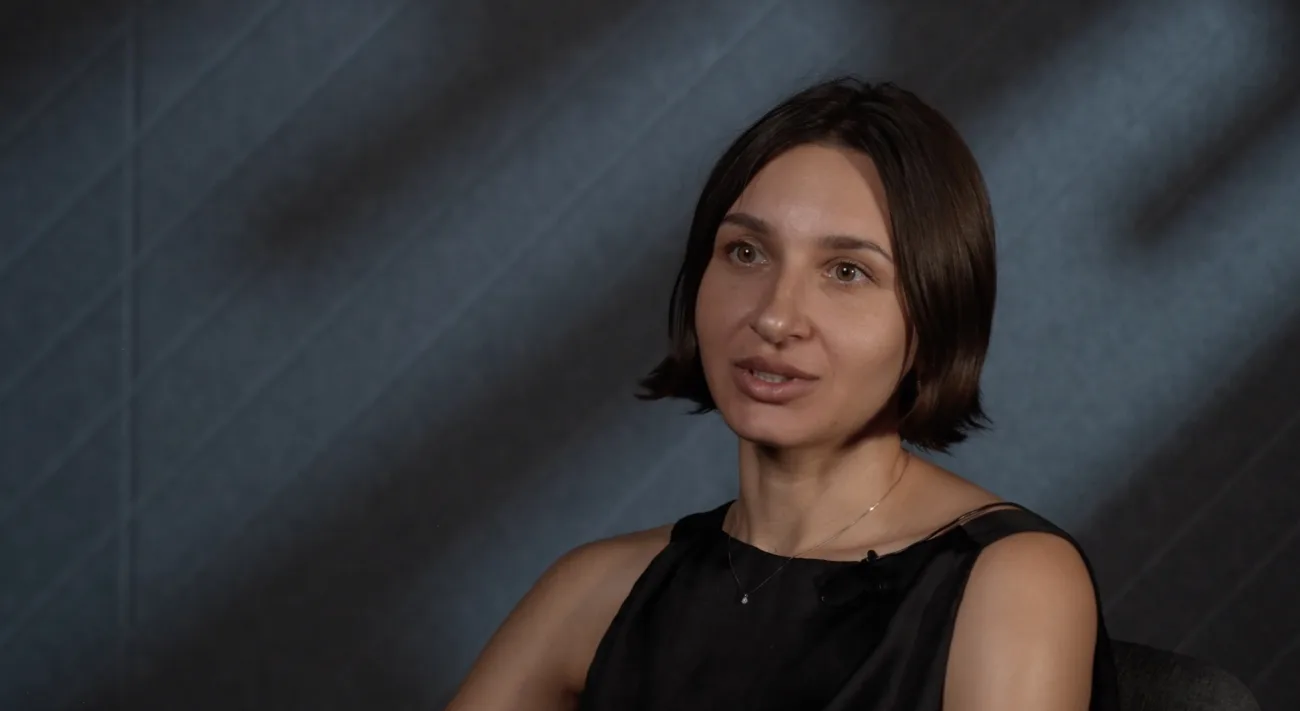
After their conversation, the investigator sent Sofiia the forensic examination report.
“I was afraid to read the description of the body, because for all those four years I had already been constantly trying to stop myself from imagining the torture Russians use against Ukrainian prisoners of war. I was afraid I would read that the body bore signs of torture, that the fingernails were missing — the Russians do all kinds of things. But the documents state clearly that this was not a death from illness. This was a killing,” Sofiia Krokhmaliuk says.
Ukrainian forensic experts concluded that the causes of death were blunt-force trauma to the chest and multiple rib fractures.
After learning of her father’s death, Sofiia began speaking with servicemen who had been released from captivity, trying to reconstruct the conditions in which her father had lived and died. It was then that she was told that after Shuflin gave his testimony, Oleksandr Krokhmaliuk was beaten not for the usual 20 minutes, but for an hour.
“I had been more than certain that all my righteous anger would be directed at the Russians. But then an investigator from Ukraine’s State Bureau of Investigation called me and told me that, as it turns out, there was someone on our own side whose actions had devastating consequences for my father,” Sofiia Krokhmaliuk says of Petro Shuflin.
“He Asked to Join Wagner”
There is also testimony suggesting that Shuflin’s actions led to the death of another serviceman, Ruslan Chyzh, call sign “Chyzhyk.” Shuflin also served as a witness in several other cases brought against Azov servicemen while they were in captivity.
The Eastern Region Specialised Defence Prosecutor’s Office opened a pre-trial investigation into Shuflin on 10 March 2026. In response to a request from Slidstvo.Info, law enforcement officials confirmed that the charges are based on false testimony Shuflin allegedly gave against his fellow servicemen. They added that he had wanted to fight on Russia’s side as part of the Wagner Private Military Company.
Former POWs say that Shuflin used his stated desire to join Wagner as grounds for asking the guards for double food rations.
“He asked to join Wagner, he asked to join the Russian National Guard,” Andrii says. “He was given special treatment as a traitor. They even gave him a cell of his own, where he was held alone for a certain period of time.”
Skrypach adds that during a face-to-face confrontation in the winter, Shuflin apologised to him and explained that he had wanted to fight on Russia’s side so that he could “defect back to our side.” Skrypach did not accept the apology:
“I told him: ‘You didn’t just screw up and cause some harm to yourself. You’re a traitor. You’re, excuse me, a f*ggot. When a whole bunch of people suffer because of you and your stomach, you have no right to have children — you have no right to live at all.’ I can’t imagine myself in his place, even though we were held under the same conditions. And secondly, I think that if, God forbid, I had done something like that, I would have shot myself. I wouldn’t have been able to go on living normally.”
Shuflin’s Position
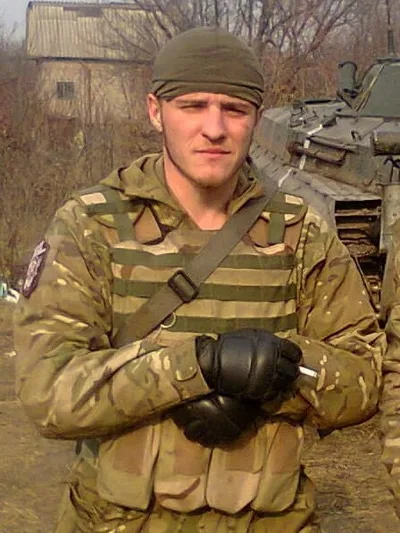
At the hearing, Petro Shuflin spends several minutes trying to recount the past 13 years of his life to the judge:
“I was defending this country back when many of those defending it today were still in school. My path began with the Revolution of Dignity. I began my military service in the very first days of the ATO [Anti-Terrorist Operation]. I was wounded twice and suffered blast trauma around a dozen times.”
Shuflin adds that he took part in the fighting for Donetsk Airport and thus “helped make the Ukrainian soldier known throughout the world.”
Prosecutor Serhii Kobrynchuk insists that Shuflin should remain in custody without the possibility of bail, arguing that he could flee or influence witnesses. The defendant disagrees. He says that he does not even know some of the witnesses, while one of them is testifying against him out of personal animosity.
“I see no point in trying to influence testimony framed in terms such as, ‘I heard from others,’ ‘I thought,’ ‘It seems to me,’ ‘Someone told me,’ and so on. These are assumptions,” Shuflin says.
He adds:
“I ask you to take into account that I had 90 days of leave and was permitted to spend it abroad. If I had actually committed any of the crimes I am accused of, I would simply have taken advantage of that opportunity. I would have been in a country with no extradition by now.”
The emotional speech comes to an end, as does the half-hour hearing. The judge leaves the courtroom for several minutes to reach a decision. When she returns, she announces that Shuflin will remain in pre-trial detention without the possibility of bail for at least another 60 days. The next court hearing is scheduled for 31 August.