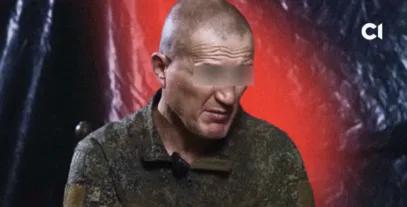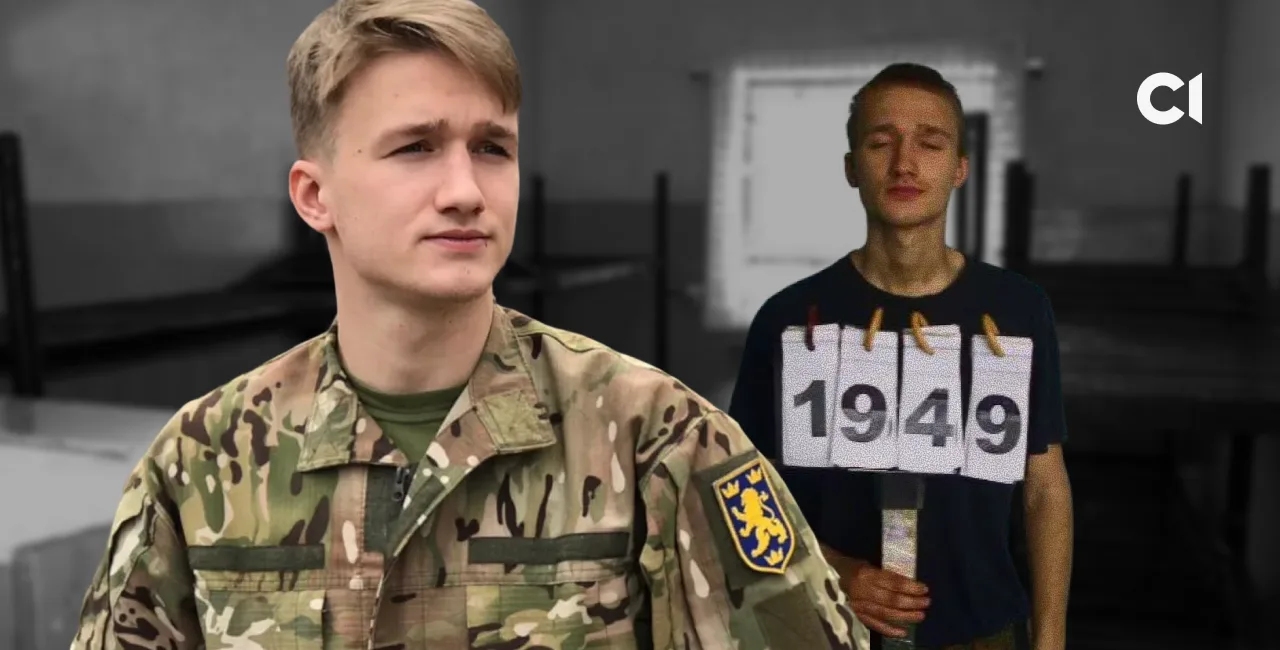
23-year-old Mykyta Semenov joined the military right after high school, at age 18. He enlisted in Azov and, at the start of the full-scale invasion, defended Mariupol. He emerged from the Azovstal bunker into captivity on orders, where he remained for three and a half years.
During that time, Mykyta was held in three different prisons and lost 25 kilograms. During one of the “initiation” sessions, all Azov prisoners had marks put on their backs so they would be beaten more severely than others, he says. After hours of torture, Mykyta Semenov was pressured to join the fight against his own country. “You will die here. But you have a choice. You can sign a contract,” he was told.
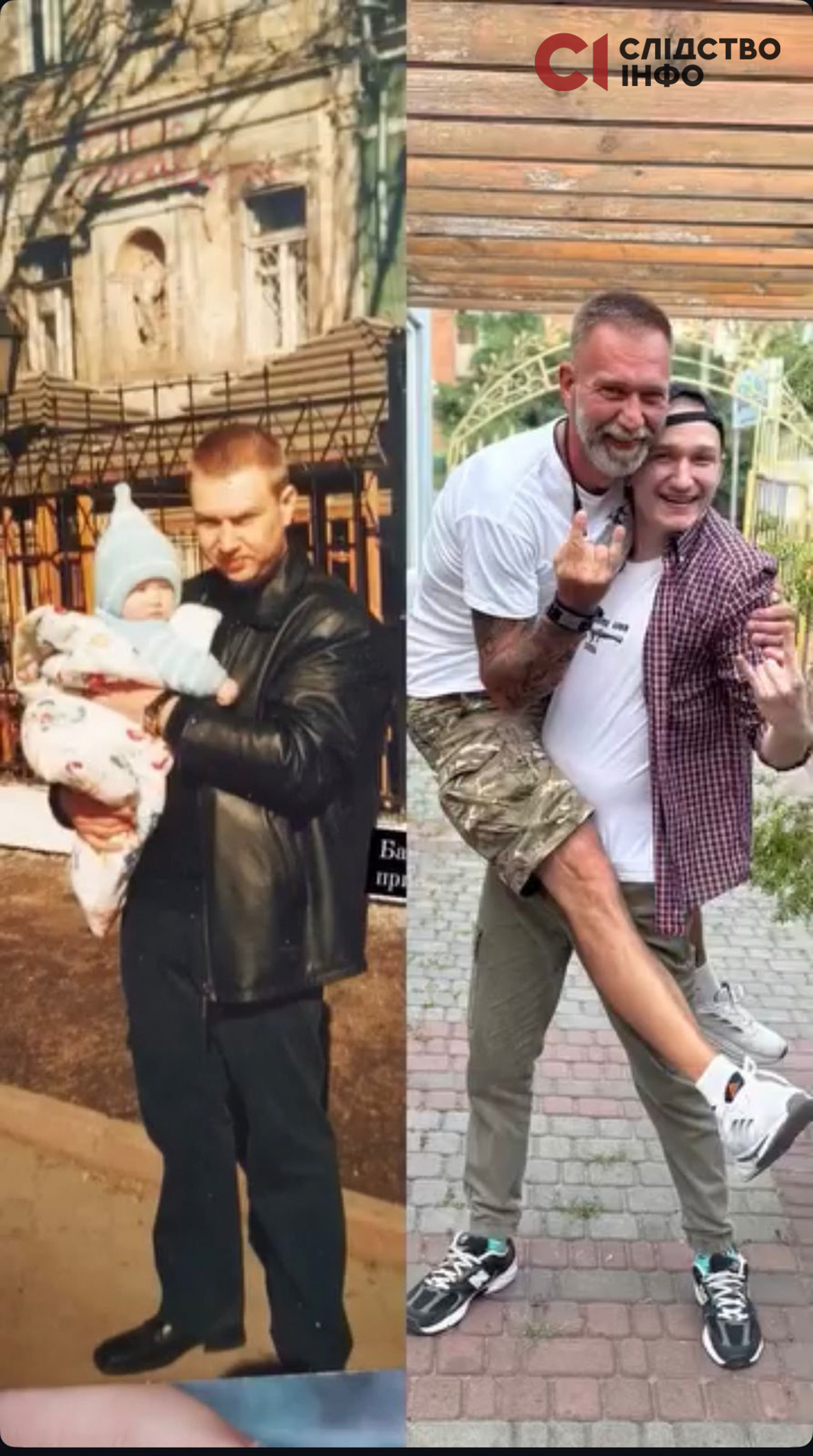
In July 2025, the soldier returned to Ukraine. That was also when he learned that, while he was in captivity, his father had joined the military as well. “I am very proud of him right now. Although usually it is the other way around. But here, you see, I allow myself the luxury of being proud of my father,” Mykyta Semenov tells Slidstvo.Info.
JOINING AZOV STRAIGHT OUT OF SCHOOL
23-year-old Mykyta Semenov hails from Odesa. He was born into a Russian-speaking family, but he says, “My mother wanted me to speak Ukrainian from childhood.”
“From first through fifth grade, I attended a Ukrainian-language school. Then I was transferred to another school, and I ended up in a Russian-language class. This was already after 2014. Despite that, from childhood, my mom always dressed me in an embroidered shirt for every formal event and celebration,” Mykyta Semenov recalls.
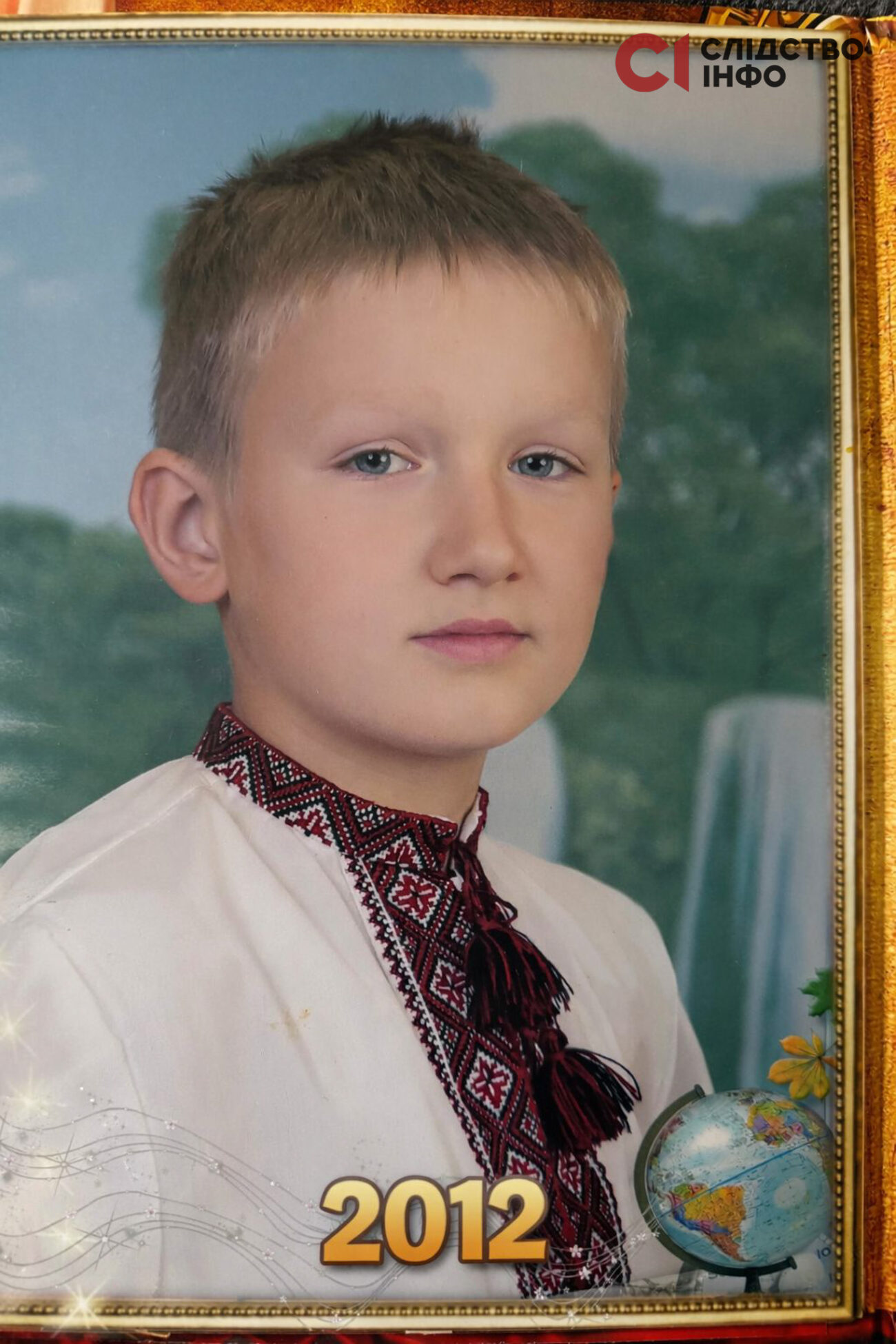
As a teenager, Mykyta felt the injustice of Russia’s annexation of Crimea and its invasion of the Donetsk and Luhansk oblasts. Immediately after finishing school, at 18, he decided to join Azov.
“I went to serve in the summer of 2021. Those were the times of lockdown and the coronavirus [pandemic]. I went with a group of friends, not alone. We all headed to the unit, straight to the garrison. To put it simply, I went from one classroom straight into another. I signed my contract and was officially made a rifleman-grenadier,” he says.
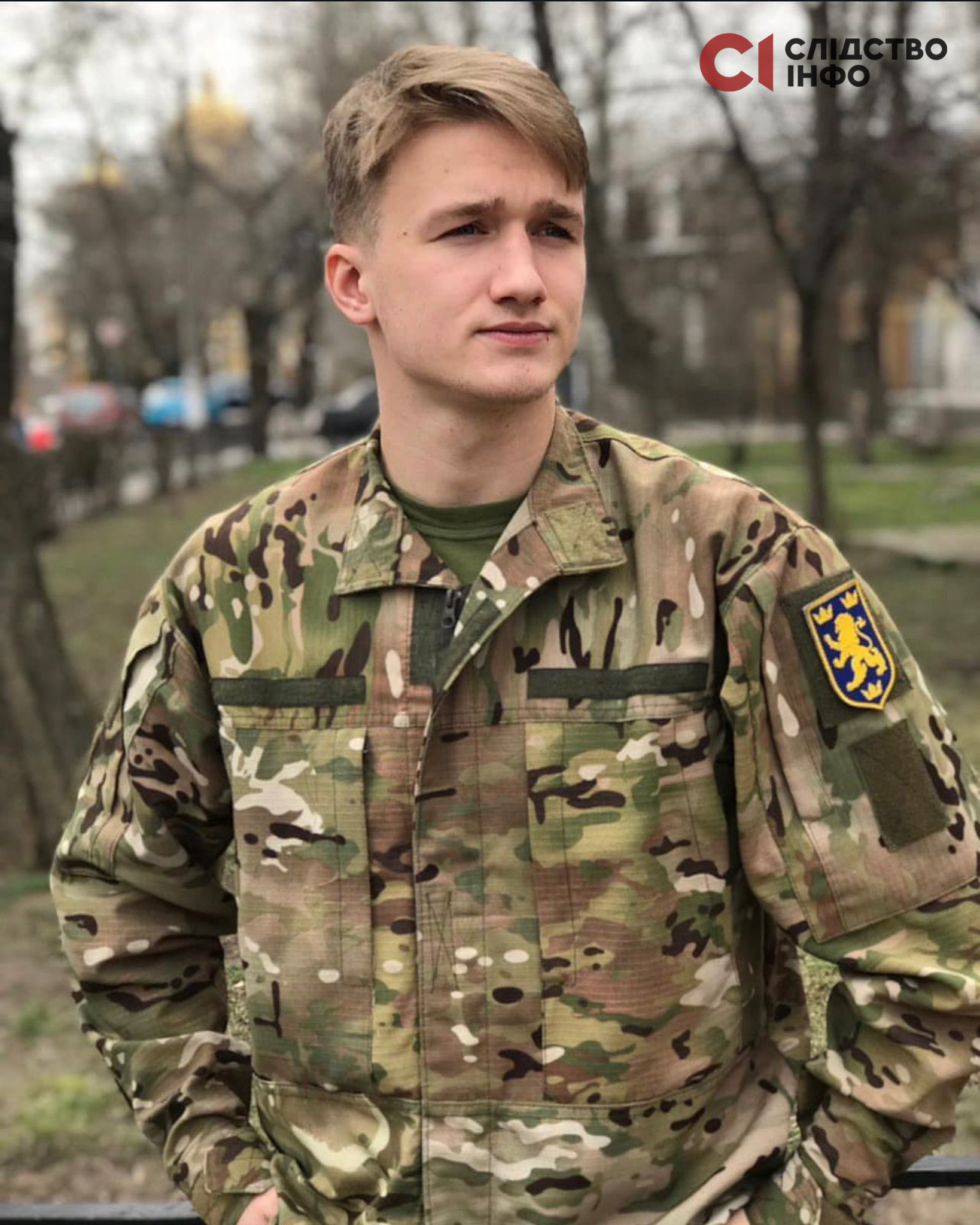
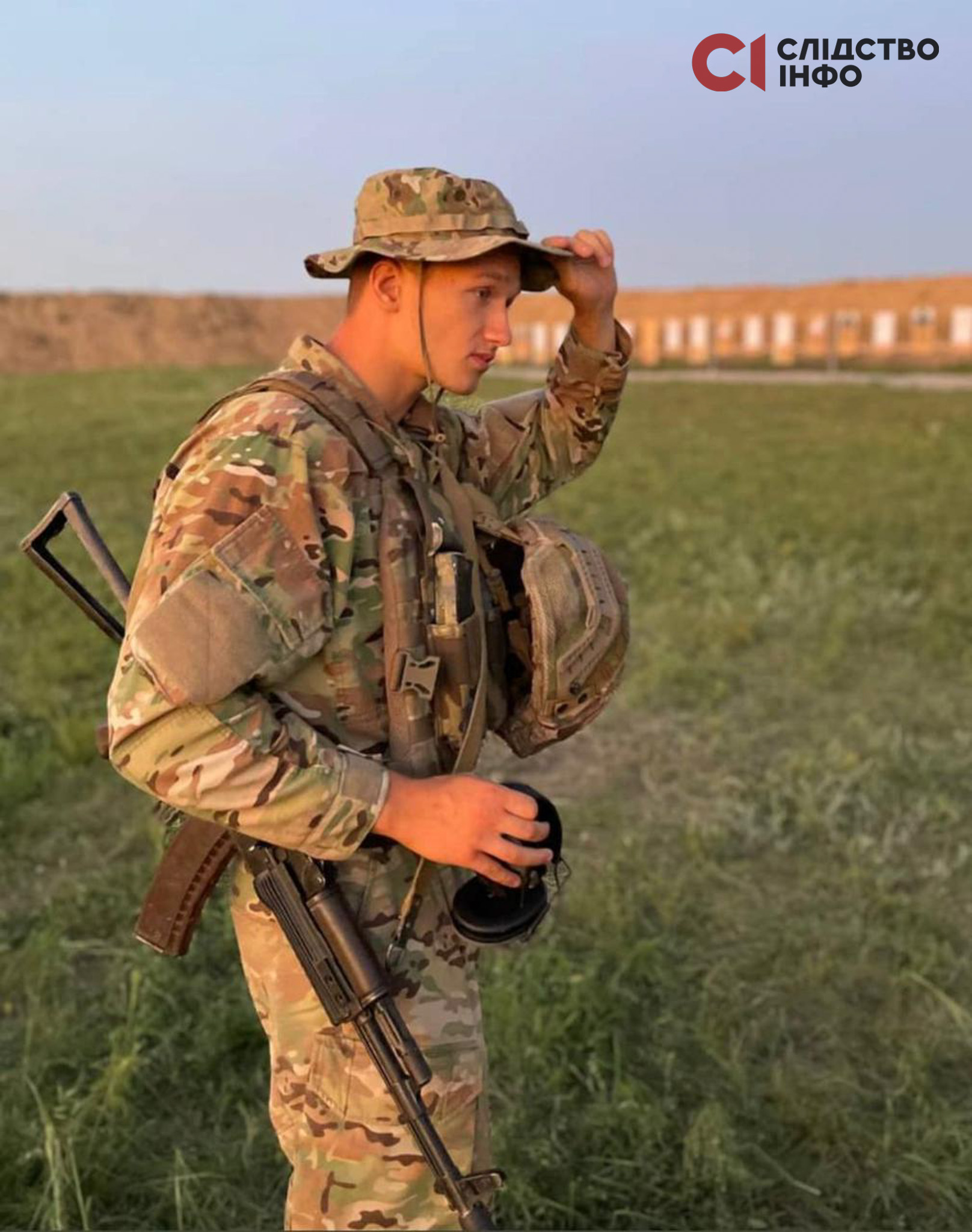
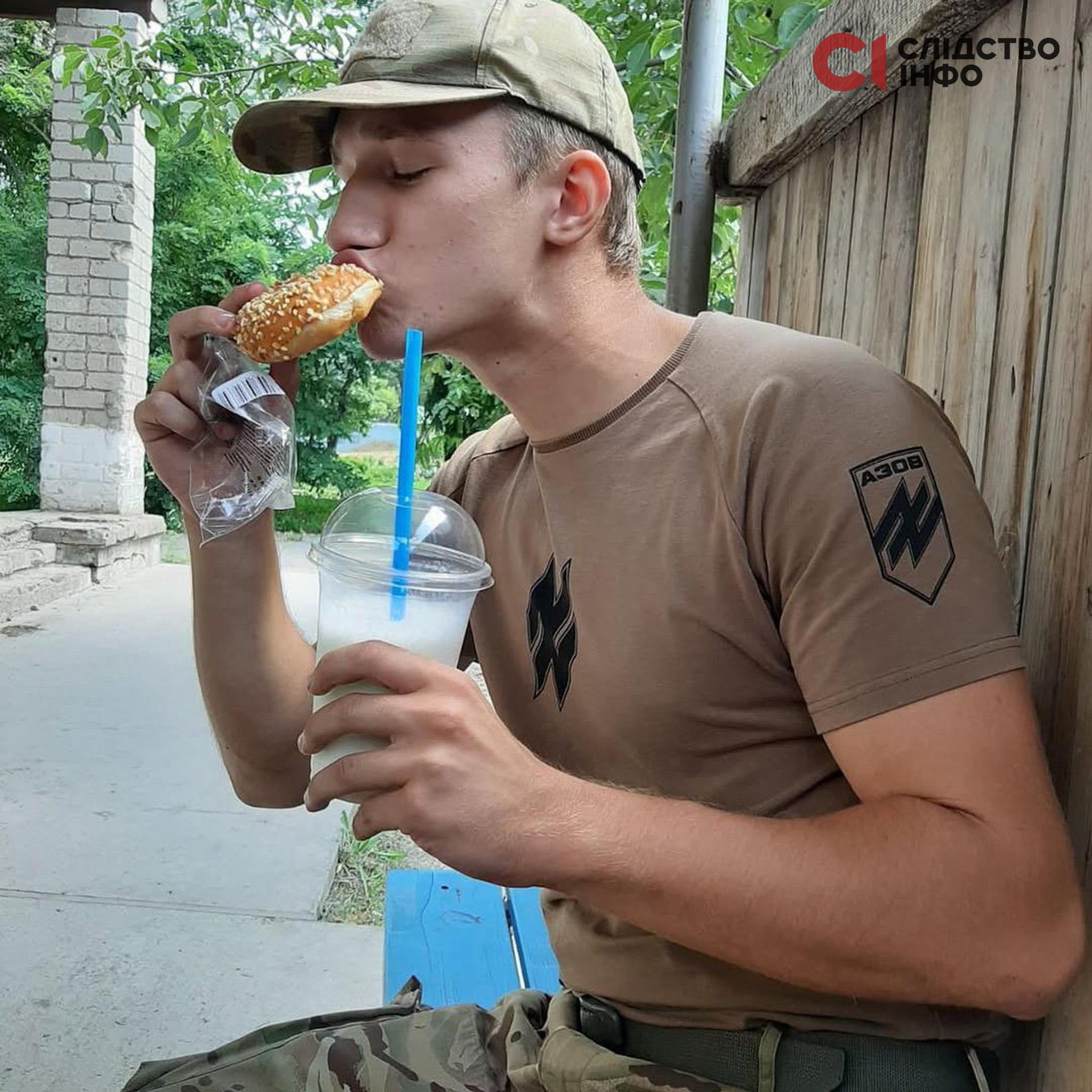
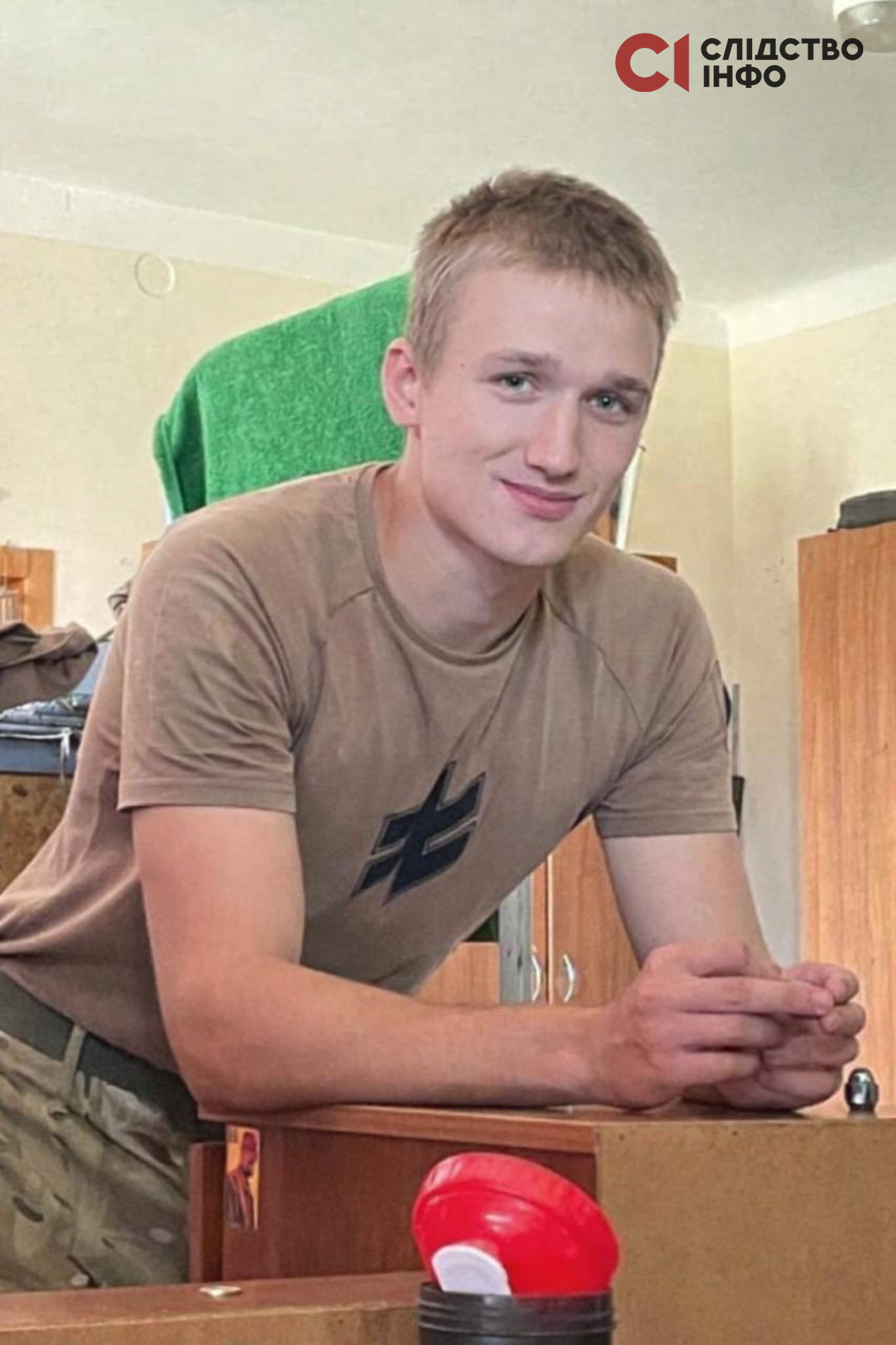
At the time of the full-scale invasion, Mykyta was 19, and together with his brothers-in-arms, he was in Mariupol. While in the Azovstal bunker, he sometimes even managed to read a book by flashlight or take notes on paper. He had to destroy the notes before leaving for captivity, but he took some books with him.
“Those were Dickens’s The Old Curiosity Shop and Andrzej Sapkowski’s The Witcher. And we left Conan the Barbarian behind because it did not fit,” Mykyta recalls.
THE OLENIVKA PENAL COLONY AND THE TAGANROG PRE-TRIAL DETENTION CENTER
Mykyta and the other prisoners were taken to the Olenivka colony, where he lost 25 kilograms. He says that over more than three years in different prisons, the food there was the worst.
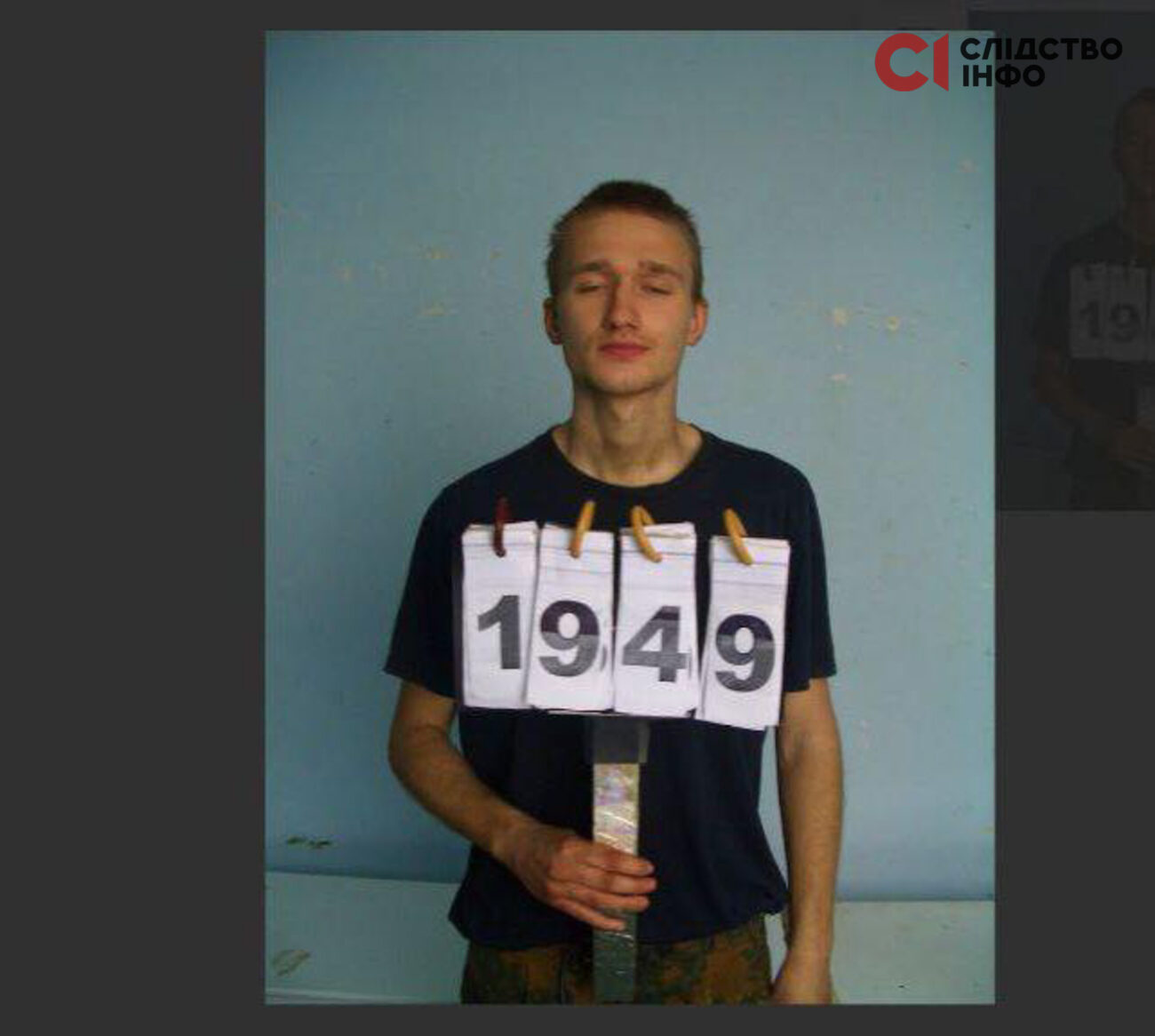
“In Olenivka, even the grain they give you is ground so poorly your body just can’t process it. No matter how much you choke down, you never feel full. Your stomach is packed, but it’s just a dead weight—you’re basically killing your digestive system,” the serviceman says.
Next, Mykyta was transferred to Pre-Trial Detention Center No. 2 in the city of Taganrog, Rostov Oblast, Russian Federation. Detainees there were subjected to relentless beatings and interrogations: “They took me [for interrogation], brought me in, and said, ‘Well, you are a young guy, speak honestly, I guess.’ I said, ‘Okay, I will, honestly.’ They asked, ‘Did you kill civilians?’ I replied, ‘No, I wouldn’t know.’ They asked, ‘And did you kill Russian soldiers?’ I said, ‘Probably yes.’ They asked, ‘Specific ones?’ I responded, ‘I wouldn’t know.’ I realized they were going to latch onto something—civilian or not, it didn’t matter. I was in trouble either way. He says, ‘Why don’t you think it over, and we’ll put you in a position that’ll help you think real hard.’”

After that, they taped Mykyta’s hands and feet together with duct tape. He says that at that moment he felt like a swing. In that position, the serviceman was carried to the waiting cell. After some time, they brought him back for interrogation.
“‘Well, did you come up with something?’ I say, ‘No’. And they start hitting those sensitive spots. And the thing is, at first, they hit very hard. In the knees, elbows, and on the legs. And then you do not need to hit very hard to cause pain. You just statically pound the same spot over and over, and a hematoma forms there. The area just hurts, goes numb,” Semenov says.
After that interrogation, they carried Mykyta to the cell because he could not walk on his own after such a beating.
The food in Taganrog was horrendous too: “Sometimes they’d just give us fish heads with bones—what we called ‘the bet didn’t pay off.’ Other times, it was supposed to be pasta, but everything was mixed together: stinking fish, green and foul. The food had no taste, no calories, no substance. You ate it just so you wouldn’t die.”
Mykyta calls the regime in the Taganrog pre-trial detention center negligent and sometimes even playing into the prisoners’ hands.
“There were no surveillance cameras for a certain period, and there were blind spots. Somewhere you could hide, take a nap, somewhere do something for your own purposes. Somewhere you could take not six books but twelve, for example. Toward the end, those were moments of luxury,” the freed prisoner recalls.
“YOUR COUNTRY HAS ABANDONED YOU. YOU WILL DIE HERE”
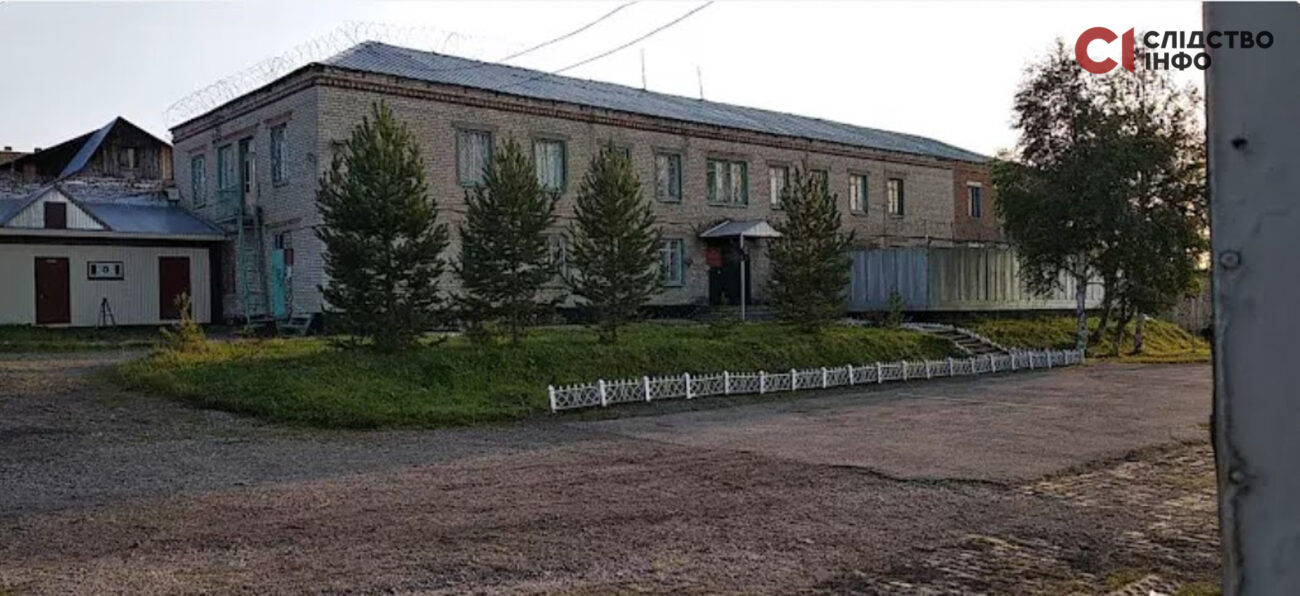
The regime was much harsher in Pre-Trial Detention Center No. 3 in the town of Kizel, Perm Krai, Russian Federation. This was the last place of captivity where Mykyta Semenov was held. From there, he was taken for exchange.
In the Kizel pre-trial detention center, Semenov recalls, there was a long and brutal “initiation” process, during which prisoners from Azov were beaten with particular savagery. Russian jailers marked their backs with green antiseptic, so all the staff would know which captives were Azov fighters.
“They’d take a stick, dip it in green antiseptic, and slap a ‘Z’ on your back. It would show up later as bruises,” Mykyta recounts.
The biggest shock for the serviceman during the “initiation” in Kizel was the moment when detention center staff beat the prisoners while forcing them to recite a prayer aloud.
“They walk around, beating you, forcing you to recite the Lord’s Prayer. But I didn’t even know it yet—I didn’t know any prayers at all. So you just stand there reciting something, just mumbling under your breath… And some people simply didn’t know it in Russian. There were people like that, too. So I’m just muttering, muttering… Bang! Bang! I hear a scream. It felt exactly like a script, like an episode from a horror movie,” says the soldier.
During this “initiation,” Mykyta Semenov was also offered the opportunity to join the Russian battalion named after Bohdan Khmelnytskyi and fight against his own country.
“Then they led me further. They asked, ‘What unit?’ I said, ‘Azov.’ They replied, ‘I see. Well, that’s it for you then. You’re finished.’ Someone else said, ‘Your country has abandoned you. Do you see where they’ve brought you? You don’t see, and you don’t know. You’re going to rot here. But you have a choice. You can sign a contract with the Bohdan Khmelnytskyi battalion.’ I said, ‘I can’t do that, Citizen Commander. I took an oath.’ He said, ‘You’re just afraid.’ I replied, ‘Me? No.’ He responded, ‘You’re sure you’re not afraid?’ And he took a swing—I couldn’t see it, but I could feel him strike something right next to me with a heavy thud,” says Semenov.
After the so-called “initiation”, Mykyta’s back was covered in bruises, his arms were too painful to lift, and his legs were swollen: “I didn’t even know my body could react like that. It lasted about two weeks, and the swelling never went down.”
At the Kizel detention center, prisoners were forbidden to speak to one another. Every action required permission, and they were forced to stand motionless in place all day. Mykyta spent nearly two years in this captivity. On July 4, 2025, Mykyta Semenov returned to Ukraine.
“It means so much to me that everyone was waiting for me like this. My father went to serve, too. I’m so incredibly proud of him right now. Usually, it’s the other way around, but here, you see, I’m allowing myself that luxury of being proud of my father,” he says.